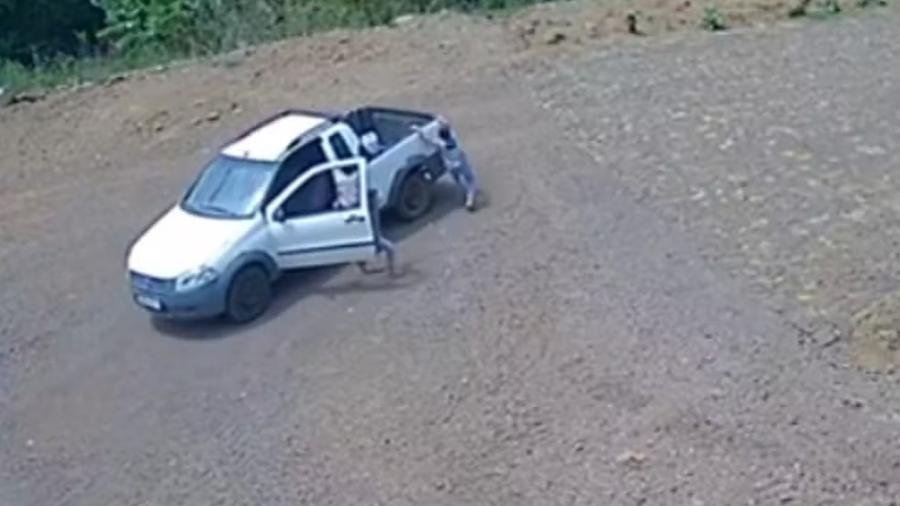
Video: Children jump from moving car that fell into a ravine in Paraná state captured attention this week after the scene from Francisco Beltrão, in the Southwest of Paraná, was shared publicly. The incident occurred on January 17, and the footage shows children exiting a vehicle while it was still moving shortly before the car fell into a ravine. This article provides a clear, authoritative account of the facts, practical safety guidance, and recommended actions for parents, drivers, and authorities.
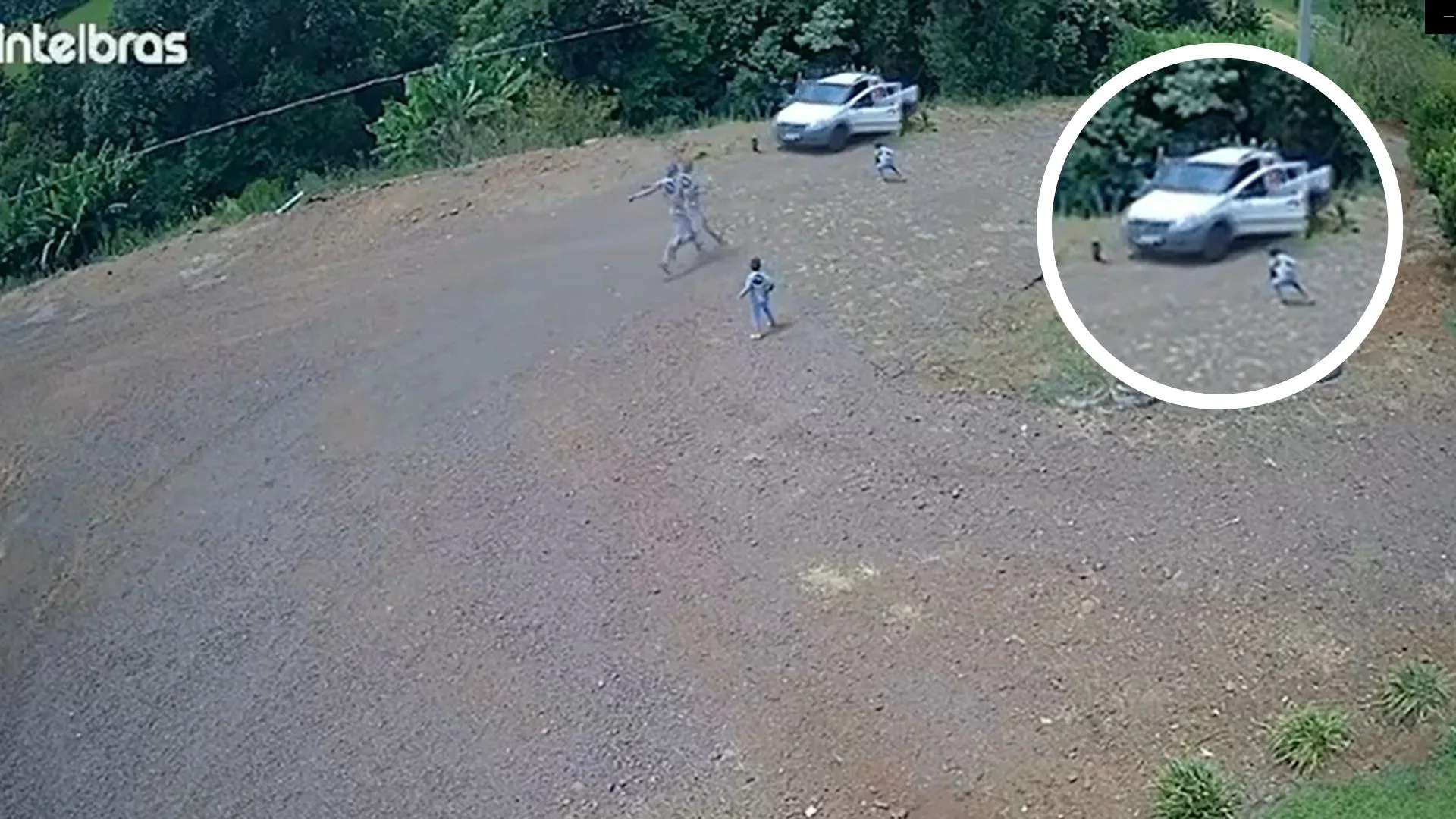
Read on to learn what happened, why the footage matters for public safety, and what steps you should take if you witness or are involved in a similar incident. Keep the safety-first mindset and share responsibly – the goal is to improve outcomes and prevent repeat events.
Benefits and advantages of reviewing the case footage
Analyzing incidents such as Vídeo: crianças pulam de carro em movimento que caiu em ribanceira no PR can yield several important benefits for public safety, policy-making, and emergency preparedness.
- – Improved public awareness: Visual evidence highlights real risks associated with unsecured passengers, encouraging immediate behavioral changes.
- – Targeted training: Emergency responders and traffic patrols can use footage to refine extraction and triage procedures for incidents involving children and vehicle rollovers.
- – Policy and enforcement: Authorities can justify targeted enforcement campaigns – such as child restraint checks and distracted driving operations – using concrete examples.
- – Data for prevention programs: Schools, parent groups, and local governments can develop focused education campaigns informed by the specifics shown in the video.
How-to steps and investigative process
When a video like Vídeo: crianças pulam de carro em movimento que caiu em ribanceira no PR surfaces, a structured process helps ensure accurate facts, timely rescue, and appropriate legal follow-up. Below are step-by-step actions for different stakeholders.
For witnesses and bystanders – immediate response
- – Ensure personal safety: Do not approach a precarious vehicle if doing so places you at risk of being struck or falling.
- – Call emergency services immediately: Provide exact location (Francisco Beltrão, Sudoeste do Paraná), describe the situation, and indicate there may be children involved.
- – Secure the scene: If safe, warn other motorists and prevent further accidents using hazard lights, flares, or traffic cones.
- – Provide first aid if trained: Prioritize airway, breathing, and bleeding control while waiting for responders.
For authorities and investigators – evidence handling and analysis
- – Preserve original footage: Secure the source of the video and maintain chain of custody for digital evidence.
- – Interview witnesses promptly: Collect statements from motorists, pedestrians, and first responders to corroborate the timeline.
- – Conduct site reconstruction: Document the ravine approach, vehicle damage, road conditions, and any traffic control signs to determine causality.
- – Check vehicle maintenance and restraint systems: Assess seat belts, child seats, door latches, and any mechanical failures.
- – Coordinate with child protection services: Ensure welfare checks on minors involved and assess if further protective action is required.
Best practices – prevention and response
Adopting best practices can significantly reduce the risk of injuries in vehicle incidents similar to the one shown in Vídeo: crianças pulam de carro em movimento que caiu em ribanceira no PR. The following measures apply to parents, drivers, fleet operators, and policymakers.
For drivers and parents
- – Always use appropriate child restraint systems: Install and correctly fasten age- and size-appropriate car seats and booster seats.
- – Keep doors locked while the vehicle is in motion: Use child safety locks to prevent unintended exits during transit.
- – Do not allow children to stand or move about in a moving vehicle – instruct them to remain seated and belted at all times.
- – Educate children about vehicle safety: Teach why seat belts and staying seated are essential, using age-appropriate language.
For fleet managers and schools
- – Implement routine equipment checks: Verify seat belts, anchorage points, and doors on buses and vans regularly.
- – Train drivers on child-specific safety protocols: Include drills for emergency stops and passenger control.
- – Use signage and reminders: Post clear safety rules in vehicles and communicate them consistently to guardians and staff.
For policymakers and enforcement agencies
- – Strengthen inspection and enforcement: Conduct targeted checks on child restraints and compliance with seat belt laws.
- – Fund public education campaigns: Use evidence from incidents to design impactful messages and measurable goals.
Common mistakes to avoid
Understanding frequent errors helps prevent tragedies. The footage in Vídeo: crianças pulam de carro em movimento que caiu em ribanceira no PR underscores several avoidable behaviors.
- – Allowing unsupervised movement – Letting children move freely in a moving vehicle increases the risk of falls and ejection.
- – Neglecting child restraints – Improperly installed or unused car seats and seat belts drastically reduce occupant protection.
- – Sharing unverified footage – Disseminating videos without context can hinder investigations and cause unnecessary alarm.
- – Delaying emergency contact – Hesitation to call emergency services can worsen outcomes; immediate reporting saves lives.
- – Overlooking vehicle maintenance – Faulty door latches, brakes, or steering components can contribute to accidents when ignored.
Actionable tips and practical examples
Below are concrete actions you can implement immediately to reduce risk and support effective responses.
- – Example – Car seat check: Use a local inspection site or certified technician to verify that a child’s car seat is installed correctly; test the harness for snugness and verify the seat angle.
- – Example – Family safety routine: Establish a pre-drive checklist – everyone belted, doors locked, windows secured, no standing passengers – and make it a habit.
- – Example – If you witness an incident: Photograph the scene from a safe distance, note vehicle registration, but prioritize calling emergency services rather than recording prolonged video that could interfere with rescue.
- – Example – Responsible sharing: If you receive footage like the video in question, contact local authorities if you have additional context, and avoid reposting sensitive material that identifies victims.
FAQ
What exactly happened in the incident shown in the video?
The incident occurred on January 17 in Francisco Beltrão, Sudoeste do Paraná. The circulated recording shows children exiting a vehicle while it was still in motion shortly before the vehicle fell into a ravine. Authorities are investigating the sequence of events to determine causation, the condition of safety restraints, and any criminal or civil liabilities.
Were the children injured in the accident?
Official reports vary by case and will be updated by local health and police authorities. In incidents involving ejection or uncontrolled exits from moving vehicles, the risk of injury is high. Immediate medical evaluation is essential, and responders on scene prioritize triage and transport to medical facilities when necessary.
How should witnesses handle footage like this?
Witnesses should first ensure safety, then contact emergency services with precise location details. Preserve original media without extensive sharing to maintain evidence integrity. If you believe the footage can assist investigators, provide it directly to police rather than posting it publicly.
What legal consequences can arise from incidents like this?
Potential legal outcomes include traffic citations for improper restraint use, negligence charges if reckless behavior is proven, and child protection interventions if guardians are deemed to have put minors at risk. Investigations consider intent, prior conduct, and the specific facts captured by the footage.
How can families prevent similar accidents?
Families should follow established child safety practices: install and use appropriate car seats, teach children to remain seated and belted, keep doors locked while driving, and never allow children to exit a moving vehicle. Regular vehicle maintenance and pre-trip safety checks reduce mechanical or operational risks.
Will sharing the video help or harm the investigation?
Sharing can both help and harm. If the footage provides unique evidence to authorities it can be helpful, but public dissemination can complicate witness statements, lead to misinformation, and harm the privacy of minors. Provide recordings to investigators and avoid widespread public reposting.
Conclusion
Vídeo: crianças pulam de carro em movimento que caiu em ribanceira no PR is a stark reminder of how quickly a routine trip can turn dangerous when safety measures fail. The main takeaways are clear – secure child restraints, keep vehicle doors locked, prevent movement inside moving cars, and call emergency services immediately if an incident occurs. Authorities and communities should use the lessons from this event to strengthen prevention, enforcement, and education.
Take action now – check child car seats, rehearse a pre-drive safety checklist with your household, and support local safety campaigns. If you possess relevant footage or information about this case, contact local law enforcement in Francisco Beltrão to assist the investigation. Collective vigilance and responsible behavior reduce the likelihood of repeat incidents and protect vulnerable passengers.
Original Source
Este artigo foi baseado em informações de: https://www.cnnbrasil.com.br/nacional/sul/pr/video-criancas-pulam-de-carro-em-movimento-que-caiu-em-ribanceira-no-pr/