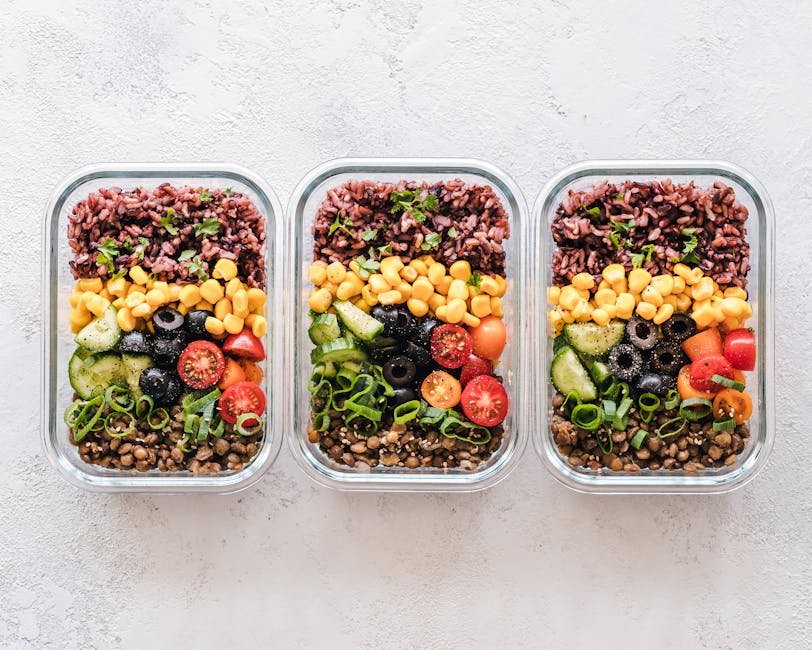
Microwave-Safe, BPA-Free Meal Prep Containers: A Comprehensive Guide
Meal prepping has revolutionized how individuals approach nutrition and time management. The cornerstone of this practice lies in reliable, safe, and convenient storage containers. Navigating the market for microwave-safe, BPA-free options requires careful consideration. This article delves into the intricacies of selecting the best containers for your meal prepping needs.
Understanding BPA and Its Health Implications
Bisphenol A (BPA) is an industrial chemical used in the production of certain plastics, primarily polycarbonate and epoxy resins. These resins often line metal food cans and are used in rigid plastic containers. Concerns arose when studies revealed that BPA could leach into food and beverages, especially when heated, potentially disrupting hormone function and posing health risks, including reproductive issues, cardiovascular problems, and even increased cancer risk. Recognizing these dangers, manufacturers began producing BPA-free alternatives using materials like polypropylene, Tritan, and glass. Choosing BPA-free containers is paramount for safeguarding your health and well-being.
Microwave Safety: Decoding the Symbols and Materials
The term “microwave-safe” doesn’t inherently mean a container is safe for all microwaving scenarios. It signifies that the material won’t melt, warp, or release harmful chemicals under typical microwave conditions. However, understanding the nuances of each material is crucial:
-
Polypropylene (PP): PP is a thermoplastic polymer widely used in food containers due to its excellent chemical resistance, durability, and microwave compatibility. Look for the recycling symbol #5 to identify polypropylene. PP containers are generally considered safe for microwaving, but prolonged heating or exposure to high-fat foods can still potentially lead to some leaching, although significantly less than with BPA-containing plastics. Always ensure the container is specifically marked “microwave-safe” by the manufacturer.
-
Tritan: Tritan is a BPA-free plastic known for its clarity, durability, and stain resistance. It is more resistant to heat and impacts than many other plastics, making it a popular choice for reusable water bottles and food containers. Tritan containers are generally considered microwave-safe, but it’s still crucial to check the manufacturer’s instructions, as some may advise against microwaving certain foods or for extended periods.
-
Glass: Borosilicate glass, often used in ovenware and cookware, is the most inert and safest option for microwaving. It’s highly resistant to thermal shock and won’t leach chemicals into food. Look for “microwave-safe” or “oven-safe” markings. Avoid using regular glass, as it can shatter when exposed to rapid temperature changes.
-
Silicone: Food-grade silicone is a flexible, heat-resistant material that is increasingly used in food storage containers. It’s generally considered microwave-safe, but it’s important to ensure the silicone is high-quality and free of fillers. Some silicone containers may absorb strong odors or flavors from food over time.
Features to Look For in Microwave-Safe, BPA-Free Meal Prep Containers
When selecting meal prep containers, beyond microwave safety and BPA-free status, several features contribute to overall functionality and convenience:
-
Airtight Seals: Airtight seals are essential for preserving food freshness and preventing leaks during transport. Look for containers with robust, well-designed lids with silicone gaskets or locking mechanisms.
-
Stackability: Stackable containers optimize storage space in your refrigerator and pantry. Choose containers with a design that allows for secure stacking to prevent tipping or sliding.
-
Portion Control: Some containers come with portion control markings or dividers, making it easier to manage your calorie intake and stick to your dietary goals.
-
Durability: Opt for containers made from durable materials that can withstand regular use, washing, and potential impacts.
-
Dishwasher-Safe: Dishwasher-safe containers simplify cleanup and save time. Ensure the containers are safe for both the top and bottom racks.
-
Freezer-Safe: If you plan to freeze meals, choose containers that are specifically labeled as freezer-safe to prevent cracking or damage.
-
Variety of Sizes and Shapes: A collection of containers in different sizes and shapes allows you to store various types of meals and snacks.
-
Ventilation: Some containers feature a small vent that can be opened when microwaving to prevent pressure buildup.
Specific Container Types and Their Advantages
Different types of meal prep containers cater to specific needs and preferences:
-
Single-Compartment Containers: Ideal for storing single-serving meals, leftovers, or snacks.
-
Multi-Compartment Containers: Perfect for keeping different food items separate within a single container, preventing sauces from mixing or maintaining the crispness of vegetables.
-
Bento-Style Boxes: Inspired by Japanese bento boxes, these containers offer multiple compartments for organized and aesthetically pleasing meal presentation.
-
Glass Containers with Lids: A durable and chemical-free option, often preferred for their resistance to staining and odor absorption.
-
Collapsible Silicone Containers: Space-saving and lightweight, ideal for travel or limited storage space.
Best Practices for Using Microwave-Safe Containers
Even with microwave-safe containers, following best practices ensures optimal safety and longevity:
- Always check the manufacturer’s instructions: Adhere to the specific guidelines for microwaving times and food types.
- Avoid microwaving for extended periods: Prolonged heating can increase the risk of leaching, even with microwave-safe materials.
- Remove lids or vent when microwaving: This prevents pressure buildup and potential explosions.
- Stir food periodically: This ensures even heating and reduces the risk of hotspots.
- Avoid microwaving high-fat foods: High-fat foods can reach very high temperatures, potentially damaging the container or increasing the risk of leaching.
- Allow food to cool slightly before storing: This prevents condensation buildup and potential bacterial growth.
- Wash containers thoroughly after each use: Proper cleaning removes food residue and prevents staining or odor absorption.
- Inspect containers regularly for damage: Discard any containers that are cracked, warped, or show signs of wear.
- Avoid using abrasive cleaners: Abrasive cleaners can scratch the surface of the containers, making them more susceptible to staining and bacterial growth.
Choosing the Right Containers for Your Lifestyle
The best microwave-safe, BPA-free meal prep containers ultimately depend on your individual needs and preferences. Consider the types of meals you typically prepare, your storage space, and your cleaning habits. Invest in a variety of containers to accommodate different types of food and portion sizes. Prioritize safety and durability to ensure your containers will last for years to come. Researching brands and reading customer reviews can help you make an informed decision and select containers that meet your specific requirements.