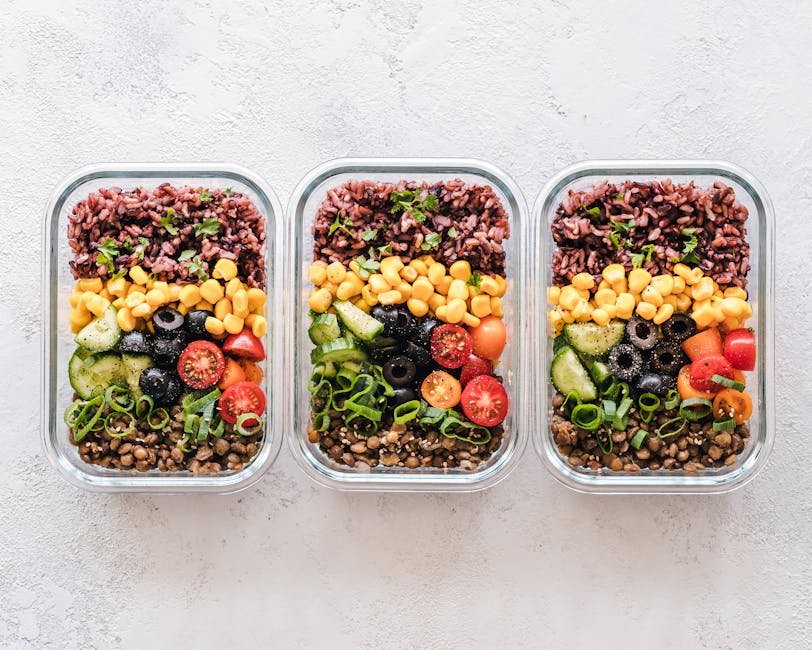
Meal Prep Tips for Busy Working Professionals: Conquer Your Week, One Bite at a Time
Understanding the Power of Pre-Planning: Why Meal Prep is Your Secret Weapon
Juggling deadlines, meetings, and the ever-present demands of a professional life can leave little room for healthy eating. Takeout becomes the default, budgets stretch, and nutrition often falls by the wayside. Meal prepping offers a strategic solution: reclaiming control over your diet, saving time and money, and fueling your body for peak performance. It’s about proactive planning, not restrictive dieting.
Strategic Time Allocation: Carving Out Prep Time in Your Busy Schedule
The biggest hurdle? Finding the time. Successful meal prepping hinges on realistic time management. Dedicate a specific block each week – perhaps 2-3 hours on a Sunday or even split between two shorter sessions. Treat this slot as non-negotiable, like any other crucial meeting.
- Analyze Your Schedule: Identify your busiest days and meal needs. Do you require lunches and dinners? Or just lunches? Knowing this will tailor your prep.
- Batch Cooking vs. Component Prep: Determine your preferred method. Batch cooking involves preparing complete meals in bulk. Component prep focuses on individual ingredients (cooked grains, roasted vegetables, grilled chicken) that can be mixed and matched throughout the week.
- Start Small: Don’t overwhelm yourself. Begin with prepping just 2-3 lunches for the week. As you become more comfortable, gradually increase the complexity and quantity.
- Enlist Help (If Possible): If your partner or family is willing, delegate tasks. Someone can chop vegetables while you cook the protein.
Planning Your Menu: Fueling Performance and Avoiding Food Fatigue
A well-planned menu is critical to avoid boredom and ensure you’re meeting your nutritional needs.
- Consider Your Dietary Needs: Are you following a specific diet (vegetarian, vegan, keto, gluten-free)? Incorporate recipes that align with your goals.
- Embrace Variety: Don’t eat the same meal every day. Rotate proteins, vegetables, and grains to keep things interesting and ensure a wider range of nutrients.
- Factor in Leftovers: Planning an extra portion of dinner one night can become lunch the next day. This reduces prep time and minimizes food waste.
- Utilize Theme Nights: Designate certain days for specific cuisines (e.g., “Taco Tuesday” for meal prep bowls with Mexican-inspired ingredients).
- Browse Recipe Websites and Blogs: Explore online resources for meal prep-friendly recipes. Look for recipes that are easily scalable and store well.
- Create a Grocery List: A detailed grocery list is essential to avoid impulse purchases and ensure you have all the necessary ingredients. Categorize your list by sections of the grocery store to streamline your shopping trip.
Shopping Smart: Optimizing Your Grocery Run for Efficiency
A well-executed shopping trip is half the battle.
- Shop Once a Week: Reduce the temptation of takeout by sticking to a single weekly shopping trip.
- Shop in Bulk (When Appropriate): Certain items, like grains, dried beans, and frozen vegetables, are often cheaper when purchased in bulk.
- Prioritize Fresh, Seasonal Produce: Opt for fruits and vegetables that are in season for better flavor and affordability.
- Read Labels Carefully: Pay attention to ingredient lists, nutritional information, and expiration dates.
- Utilize Online Grocery Shopping: Save time and avoid impulse purchases by ordering groceries online.
Mastering Meal Prep Techniques: Cooking for the Week Ahead
Efficient cooking techniques are key to minimizing prep time.
- One-Pan Meals: Roasting vegetables and protein on a single sheet pan simplifies cleanup.
- Slow Cooker/Instant Pot: These appliances are ideal for cooking large batches of soups, stews, and chili.
- Grilling: Grill chicken, fish, or vegetables in bulk for quick additions to salads or bowls.
- Batch Cooking Grains: Cook a large batch of rice, quinoa, or other grains and portion it out for the week.
- Pre-Chopping Vegetables: Chop vegetables in advance and store them in airtight containers for easy access.
- Marinating Meats: Marinate meats overnight to enhance flavor and tenderness.
Portioning and Storage: Ensuring Freshness and Convenience
Proper portioning and storage are crucial to maintain freshness and prevent spoilage.
- Invest in Quality Containers: Choose airtight containers that are BPA-free and dishwasher-safe. Glass containers are a good option for reheating food in the microwave.
- Portion Control: Pre-portion your meals into individual containers to help you stick to your calorie goals and avoid overeating.
- Cool Food Thoroughly: Allow food to cool completely before refrigerating to prevent the growth of bacteria.
- Store Food Properly: Refrigerate perishable items promptly. Store leftovers in the refrigerator for up to 3-4 days. Freeze meals for longer storage.
- Label and Date Containers: Label each container with the contents and the date it was prepared to keep track of your meals.
- Separate Sauces and Dressings: Pack sauces and dressings separately to prevent your meals from becoming soggy.
Reheating and Enjoying: Making the Most of Your Prepared Meals
Proper reheating ensures food is safe and palatable.
- Microwave Reheating: Cover the container with a damp paper towel to prevent the food from drying out.
- Oven Reheating: Reheat meals in the oven for a more even heating.
- Stovetop Reheating: Reheat soups, stews, and chili on the stovetop.
- Add Fresh Toppings: Garnish your meals with fresh herbs, spices, or a squeeze of lemon juice to enhance flavor.
Troubleshooting Common Meal Prep Challenges: Overcoming Obstacles and Staying on Track
Even with the best planning, challenges can arise.
- Food Fatigue: Combat boredom by incorporating variety into your menu and trying new recipes.
- Time Constraints: If you’re short on time, focus on prepping just a few essential meals or components.
- Ingredient Availability: Adapt recipes based on what’s available at your local grocery store.
- Storage Issues: Invest in additional containers or utilize freezer space if needed.
- Motivation Slumps: Remind yourself of the benefits of meal prepping – saving time, money, and improving your health.
- Don’t Be Afraid to Experiment: Find what works best for you. Adjust your meal prep routine as needed to fit your lifestyle.
Essential Equipment for Efficient Meal Prep:
- Knives: A good chef’s knife, paring knife, and serrated knife are essential for chopping and preparing ingredients.
- Cutting Boards: Use separate cutting boards for raw meats and vegetables to prevent cross-contamination.
- Mixing Bowls: A set of mixing bowls in various sizes is useful for combining ingredients.
- Measuring Cups and Spoons: Accurate measurements are important for consistent results.
- Sheet Pans: Sheet pans are versatile for roasting vegetables, baking, and making one-pan meals.
- Storage Containers: Invest in a variety of airtight storage containers to keep your meals fresh.
- Slow Cooker/Instant Pot: These appliances are ideal for cooking large batches of soups, stews, and chili.
- Food Processor: A food processor can speed up chopping and pureeing tasks.
By implementing these strategies, busy working professionals can harness the power of meal prep to achieve their health and wellness goals, conquer the week, and enjoy nutritious, delicious meals without sacrificing valuable time.