The Ultimate Guide to Fastest Meal Prep Routines for Busy Office Workers
Section 1: Decoding the Meal Prep Maze: Speed & Efficiency for the Time-Crunched
The modern office worker’s life is a balancing act: deadlines, meetings, and professional development often leave little room for healthy eating habits. Relying on takeout or pre-packaged meals becomes a default, impacting both physical well-being and the wallet. Meal prepping offers a sustainable solution, but the perceived time commitment can be a major deterrent. This guide focuses on maximizing efficiency and minimizing time investment, enabling even the busiest individuals to reap the benefits of home-cooked, nutritious meals.
1.1 Prioritization: Identifying Your Meal Prep Needs
Before diving into recipes and grocery lists, assess your dietary needs and preferences. Ask yourself:
- What are my nutritional goals? (Weight loss, muscle gain, improved energy levels)
- What foods do I enjoy eating regularly? (Avoid prepping meals you’ll dread consuming)
- What are my dietary restrictions? (Allergies, intolerances, vegetarian, vegan, etc.)
- How many meals do I need to prep? (Lunch only, lunch and dinner, entire week)
Answering these questions will guide your meal selection and prevent food waste.
1.2 Inventory Assessment: The Key to Streamlined Shopping
Before creating your shopping list, take stock of your pantry, refrigerator, and freezer. Knowing what ingredients you already have on hand reduces impulse purchases and prevents buying duplicates. This step also helps you identify potential meals based on available resources.
1.3 Strategic Planning: Batch Cooking and Ingredient Synergy
The secret to speedy meal prep lies in batch cooking and utilizing ingredients across multiple meals. This involves cooking a large quantity of a single ingredient (e.g., rice, quinoa, roasted vegetables, grilled chicken) and repurposing it in different variations throughout the week.
- Choose versatile ingredients: Chicken breast, lentils, eggs, sweet potatoes, broccoli.
- Utilize the same sauce or spice blend across multiple meals: Saves time and reduces ingredient count.
- Prepare components, not entire meals: Roast vegetables on Sunday and add them to salads, wraps, or grain bowls during the week.
Section 2: Tools and Techniques for Time-Saving Meal Prep
Investing in the right tools and mastering efficient cooking techniques can significantly reduce prep time.
2.1 Essential Kitchen Equipment: The Arsenal of the Efficient Cook
- Large Capacity Slow Cooker or Instant Pot: Perfect for hands-off cooking of proteins and grains. Set it and forget it while you tackle other tasks.
- Food Processor: Quickly chops vegetables, creates sauces, and blends soups.
- Sharp Chef’s Knife: A well-sharpened knife makes chopping faster and safer.
- Sheet Pans: Ideal for roasting large quantities of vegetables or proteins.
- Meal Prep Containers: Opt for stackable, airtight containers for easy storage and portion control. Glass containers are preferable for reheating and minimizing plastic exposure.
- Reusable Storage Bags: Useful for portioning snacks or freezing ingredients.
2.2 Cooking Techniques for Speed and Efficiency
- Sheet Pan Dinners: Toss vegetables and protein with oil and seasoning and roast together on a single sheet pan for minimal cleanup.
- One-Pot Meals: Cook everything in a single pot to minimize dishes. Soups, stews, and chili are excellent one-pot options.
- Batch Cooking Grains: Prepare a large batch of rice, quinoa, or couscous in advance and store it in the refrigerator for use throughout the week.
- Pre-Chopped Vegetables: Purchase pre-cut vegetables to save time, but be mindful of their shorter shelf life.
- Embrace Frozen Vegetables: Frozen vegetables are just as nutritious as fresh and can be cooked directly from frozen.
Section 3: Fast and Flavorful Meal Prep Recipes for the Office Grind
These recipes prioritize speed, simplicity, and nutritional value, utilizing readily available ingredients and efficient cooking methods.
3.1 Quinoa Salad with Roasted Vegetables and Chickpeas (Vegetarian/Vegan Option)
- Ingredients: Quinoa, broccoli florets, bell peppers, red onion, chickpeas, olive oil, lemon juice, Dijon mustard, herbs (parsley, dill), salt, pepper.
- Prep: Roast broccoli, bell peppers, and red onion on a sheet pan. Cook quinoa according to package directions. Combine roasted vegetables, quinoa, chickpeas, and dressing.
- Why it’s fast: Minimal chopping, quick roasting time, simple dressing.
3.2 Chicken and Black Bean Burrito Bowls
- Ingredients: Cooked chicken breast (shredded), black beans (canned), rice (cooked), salsa, avocado, Greek yogurt (optional), shredded cheese (optional).
- Prep: Shred cooked chicken breast. Combine all ingredients in a bowl.
- Why it’s fast: Utilizes pre-cooked chicken and canned beans, requires no cooking during the week.
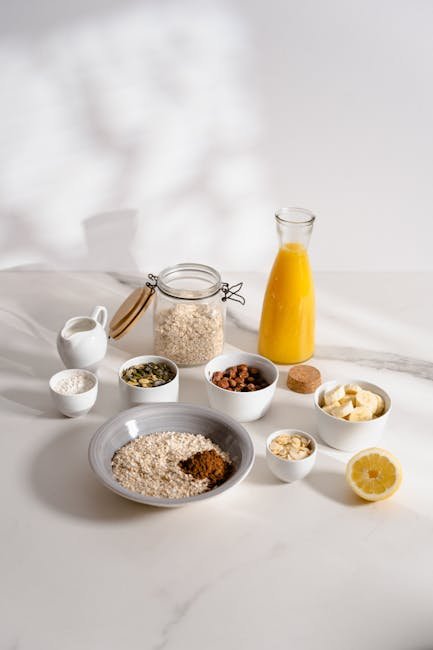
3.3 Overnight Oats with Berries and Seeds (Breakfast/Snack)
- Ingredients: Rolled oats, milk (dairy or non-dairy), Greek yogurt (optional), chia seeds, flax seeds, berries (fresh or frozen), honey or maple syrup (optional).
- Prep: Combine all ingredients in a jar or container and refrigerate overnight.
- Why it’s fast: Requires no cooking, can be prepared in minutes the night before.
3.4 Mason Jar Salads with Grilled Chicken or Tofu
- Ingredients: Salad greens, chopped vegetables (carrots, cucumbers, tomatoes), grilled chicken or tofu, dressing (stored at the bottom), quinoa or couscous (optional).
- Prep: Layer ingredients in a mason jar, starting with the dressing at the bottom, followed by grains, protein, and vegetables. Top with salad greens.
- Why it’s fast: Can be assembled quickly, keeps ingredients fresh and separate until ready to eat.
3.5 Lentil Soup (Vegetarian/Vegan Option)
- Ingredients: Lentils, vegetable broth, diced tomatoes, carrots, celery, onion, garlic, spices (cumin, turmeric, coriander), olive oil.
- Prep: Sauté vegetables in olive oil. Add lentils, broth, tomatoes, and spices. Simmer until lentils are tender.
- Why it’s fast: One-pot meal, requires minimal chopping, lentils cook quickly.
Section 4: Streamlining the Process: Time-Saving Tips and Tricks
Beyond recipes and techniques, adopting these strategies can further optimize your meal prep routine.
4.1 Dedicate a Specific Time Slot:
Treat meal prep like any other important appointment in your schedule. Block off a specific time slot (e.g., Sunday afternoon) and stick to it.
4.2 Batch Cooking on a Weekend:
Weekend meal prep sessions are ideal for cooking larger quantities of food that can be used throughout the week.
4.3 Make a Master Shopping List:
Keep a running list of commonly used ingredients to streamline your grocery shopping. Organize the list by grocery store sections to save time.
4.4 Embrace Leftovers:
Don’t let leftovers go to waste. Repurpose them into new meals or pack them for lunch the next day.
4.5 Delegate Tasks (If Possible):
If you have a partner or family member, delegate tasks such as grocery shopping or chopping vegetables.
4.6 Clean as You Go:
Washing dishes and wiping down surfaces while cooking prevents a massive cleanup at the end of your meal prep session.
4.7 Optimize Storage:
Store prepped meals in the refrigerator for up to 4 days. Freeze any meals you won’t consume within that timeframe.
4.8 Embrace Imperfection:
Don’t strive for perfection. Even a partially prepped meal is better than relying on unhealthy takeout options.
4.9 Review and Adjust:
Regularly review your meal prep routine and identify areas for improvement. Adjust your recipes and techniques as needed to optimize efficiency.