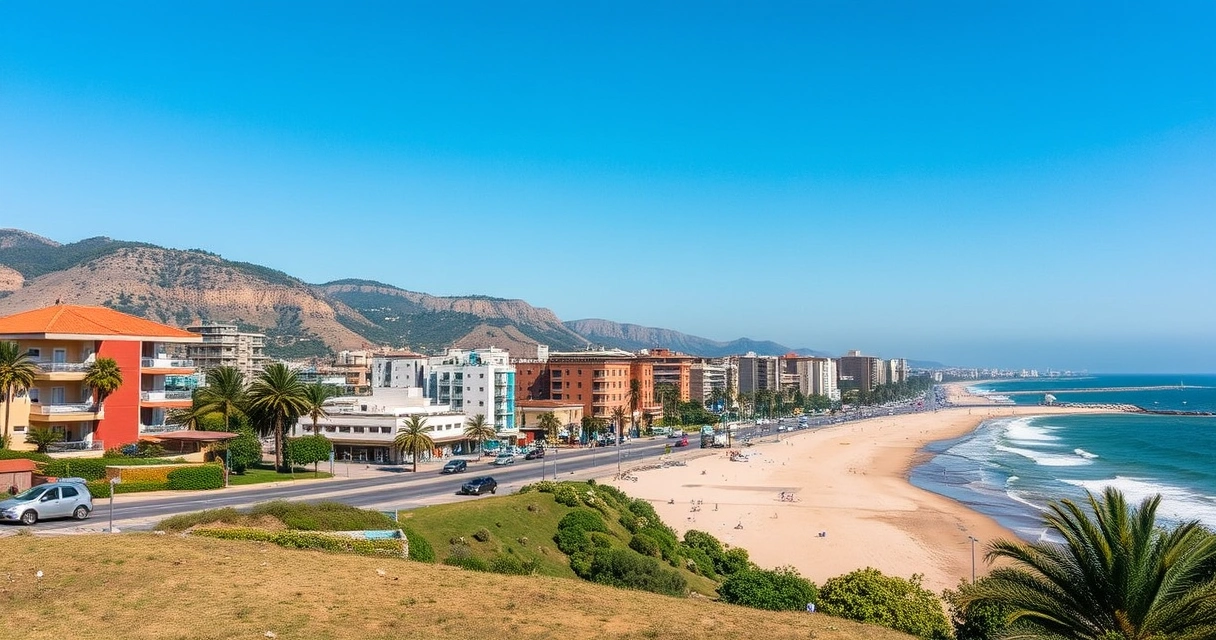
Cidade Sete Sóis: modelo de bairro planejado chega a novas cidades
Cidade Sete Sóis: modelo de bairro planejado chega a novas cidades represents a structured approach to urban expansion that combines housing, mobility, and green infrastructure into replicable neighborhood formats. This initiative gathers developments across different regions of the country and proposes integrated solutions that respond to modern urban challenges. In this article you will learn the core benefits of this model, the practical steps for replication, best practices for long-term management, and common pitfalls to avoid when implementing large-scale planned neighborhoods.
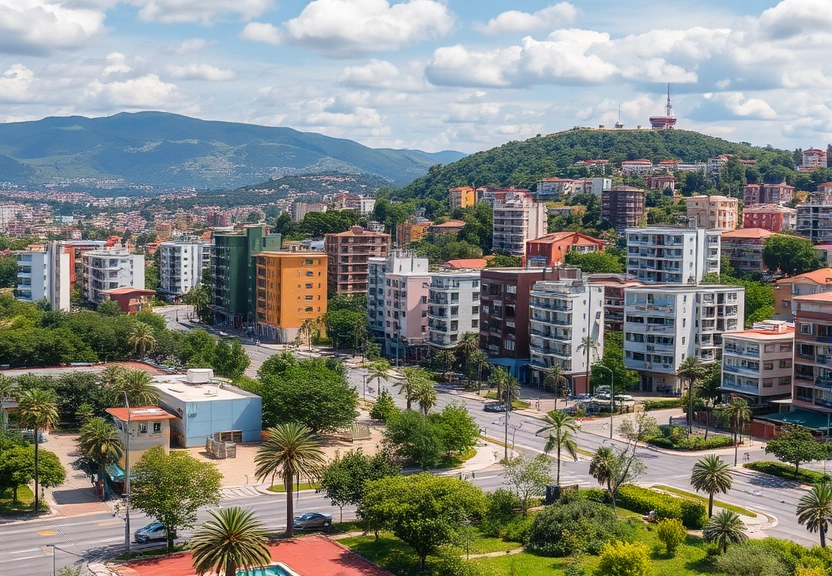
Read on with a solutions mindset: whether you are a municipal planner, developer, investor, or community leader, this analysis offers actionable guidance and examples to support adoption. Consider which actionable recommendation you will test first in your context and plan a pilot phase within 6 to 12 months.
Benefits and advantages of the Cidade Sete Sóis approach
The Cidade Sete Sóis: modelo de bairro planejado chega a novas cidades is designed to deliver coordinated benefits across environmental, social, and economic dimensions. Key advantages include:
- – Integrated urbanism: coordinated land use, mixed housing types, and commercial nodes reduce travel demand and support local economies.
- – Enhanced mobility: public transport corridors, safe pedestrian networks, and bike infrastructure prioritize efficient movement and reduce reliance on private cars.
- – Expanded green infrastructure: parks, street trees, and bioswales improve microclimate, support biodiversity, and provide recreation.
- – Predictable phasing: master planning with staged delivery improves financing viability and service deployment.
- – Social inclusion: planned allocation for affordable housing and community facilities supports socio-spatial integration.
MRV, a major stakeholder in these initiatives, highlights that the model also enhances project resilience by embedding maintenance strategies and governance frameworks from the outset. These features make neighborhoods more attractive to residents and more stable for long-term investment.
How-to: steps and process to implement the model
Replicating Cidade Sete Sóis: modelo de bairro planejado chega a novas cidades requires a clear process that spans planning, financing, delivery, and management. The recommended steps are:
- – 1. Context assessment: map physical constraints, demographic trends, mobility patterns, and ecosystem services for the target city or region.
- – 2. Multi-stakeholder master plan: co-design the master plan with municipal authorities, utilities, transport agencies, community groups, and private partners. Embed mixed uses, green corridors, and mobility hubs.
- – 3. Phased implementation strategy: define short, medium, and long-term delivery milestones tied to financing rounds and infrastructure sequencing.
- – 4. Financing and incentives: combine public grants, developer equity, long-term debt, and value capture mechanisms such as special assessment districts or infrastructure fees.
- – 5. Governance and management: create an oversight body or public-private partnership for quality control, maintenance, and community engagement over the lifecycle.
- – 6. Monitoring and adaptation: implement performance indicators for mobility, green coverage, affordability, and resident satisfaction. Adapt design and operations using periodic reviews.
Practical example
In one MRV-led project region, the process began with a detailed mobility analysis that reoriented a planned arterial road into a transit corridor with dedicated bus lanes. Early delivery of a central park and community center increased sales absorption rates for adjacent housing phases by 18 percent, illustrating the value of amenity-first phasing.
Best practices for managing long-term planned neighborhoods
Successful implementation of the Cidade Sete Sóis: modelo de bairro planejado chega a novas cidades relies on disciplined application of best practices across design, stakeholder engagement, and asset management. Adopt the following:
- – Design for flexibility: allow adaptable lot sizes and convertible ground floors so uses can evolve with market and demographic changes.
- – Prioritize complete streets: design streets for multiple users – transit, cyclists, pedestrians, local deliveries – to increase safety and accessibility.
- – Embed natural solutions: use swales, permeable pavements, and urban tree canopy to manage stormwater and reduce heat islands.
- – Phase around infrastructure: sequence utilities, transport, and social infrastructure so early residents access essential services immediately.
- – Establish maintenance funding: secure recurring revenue streams – such as service fees or municipal budgets – for green areas and public realm upkeep.
- – Commit to transparent governance: create clear rules for decision-making, dispute resolution, and resident representation.
Operational recommendation
MRV’s experience shows that assigning a dedicated project management office for the first 10 years reduces delays and cost overruns. That office should maintain a public dashboard reporting progress against targets to build trust with local communities and investors.
Common mistakes to avoid
Implementers frequently underestimate the complexity of long-term neighborhood projects. Avoid these common mistakes when applying the Cidade Sete Sóis: modelo de bairro planejado chega a novas cidades:
- – Underestimating operating costs: failure to budget for ongoing maintenance of public spaces and green infrastructure leads to rapid deterioration.
- – Ignoring local mobility integration: designing a neighborhood in isolation from citywide transport networks reduces connectivity and livability.
- – Overly rigid zoning: inflexible land use controls prevent adaptive reuse and can stall market responsiveness.
- – Insufficient community engagement: lack of local participation creates resistance and can delay approvals and occupancy.
- – Poor phasing logic: building housing without concurrent social infrastructure – schools, clinics, public transport – lowers resident satisfaction and value.
Practical mitigation measures include creating contingency budgets for maintenance, establishing early agreements with transport authorities, and adopting adaptive zoning overlays that permit a range of uses.
Integration of mobility, urbanism, and green areas
A core differentiator of Cidade Sete Sóis: modelo de bairro planejado chega a novas cidades is the deliberate integration of mobility, urbanism, and green space. Tactical approaches include:
- – Transit-oriented development (TOD): concentrate density and mixed uses around transit stops to maximize ridership and reduce emissions.
- – Green corridors: link parks with protected waterways and pedestrian routes for continuous ecological and recreational networks.
- – Modal prioritization: allocate street space to walking, cycling, and public transit before private vehicles.
- – Stormwater-first design: use open drainage and retention systems that double as public amenities.
Example – In a recent pilot, a 10-hectare district reallocated 20 percent of road space to cycle lanes and pedestrian plazas, producing a 12 percent reduction in local car trips and a 9 percent increase in retail footfall within 18 months.
Financing and partnership structures
Large-scale planned neighborhoods require blended finance and clear partnerships. Useful structures include:
- – Public-private partnerships: city provides enabling infrastructure and planning certainty while private entities deliver housing and services.
- – Value capture: increase in land values from infrastructure is monetized to fund further investment.
- – Green bonds and sustainability-linked loans: leverage climate and sustainability credentials to access lower-cost capital.
- – Phased sales and rental portfolios: maintain a balance of saleable units to recover costs and rental units for long-term income streams.
MRV’s contributions emphasize the need to assess financing across the full project lifecycle, not just initial construction phases, to sustain operations and quality.
FAQ
What is Cidade Sete Sóis: modelo de bairro planejado chega a novas cidades?
Cidade Sete Sóis: modelo de bairro planejado chega a novas cidades is a neighborhood-scale planning model that consolidates housing, mobility, public services, and green infrastructure into a repeatable framework. It is intended to be adapted across multiple regions, with local customization for regulatory, climatic, and demographic conditions.
Which cities are eligible to adopt this model?
The model is suitable for medium and large municipalities that can coordinate land use, infrastructure, and finance. It is adaptable to peri-urban expansion areas, brownfield regeneration sites, and greenfield developments. Eligibility depends on municipal capacity, access to funding, and willingness to engage public-private partnerships.
How does this model improve mobility for residents?
Mobility improvements come from planning transit corridors, prioritizing non-motorized transport, and integrating mixed uses to reduce travel demand. Implementations typically include dedicated bus lanes, cycle networks, pedestrian-first street design, and connections to regional rail or bus rapid transit systems.
How are green areas and environmental services maintained long-term?
Best practice is to secure maintenance funding upfront via service fees, municipal budgets, or dedicated trusts. Contracts with landscape management firms or community stewardship programs can ensure consistent upkeep. Designs should favor low-maintenance native species and passive irrigation features to reduce lifecycle costs.
What challenges has MRV identified in managing long-term projects?
MRV highlights several challenges: coordinating multiple stakeholders over decades, forecasting demographic shifts, securing long-term financing, and maintaining consistent standards through political cycles. The main learnings include the value of robust governance, adaptable planning frameworks, and transparent monitoring systems to navigate complexity over time.
How can municipalities measure success?
Success metrics include accessibility indicators, green coverage per resident, affordable housing delivery, resident satisfaction scores, economic activity near hubs, and reductions in local vehicle kilometers traveled. Regular monitoring and public reporting build accountability and enable course correction.
Conclusion
Cidade Sete Sóis: modelo de bairro planejado chega a novas cidades offers a pragmatic, evidence-based route to scalable, livable neighborhoods that balance mobility, urbanism, and ecological performance. The model’s strengths are its integrated planning approach, emphasis on phased delivery, and clear governance frameworks. Key takeaways:
- – Plan for integration – align land use, mobility, and green infrastructure from the start.
- – Phase strategically – sequence infrastructure and amenities to support early occupancy and long-term viability.
- – Govern for the long term – establish oversight, monitoring, and maintenance funding before construction ends.
Next steps – convene a small multi-stakeholder steering group, commission a context assessment, and draft a short pilot master plan for a targeted site within your jurisdiction. This pilot will produce the evidence needed to scale the Cidade Sete Sóis: modelo de bairro planejado chega a novas cidades approach across additional cities.
Act now – schedule a feasibility meeting this quarter to begin translating the model into tangible outcomes for your community.
Original Source
Este artigo foi baseado em informações de: https://www.cnnbrasil.com.br/branded-content/economia/negocios/cidade-sete-sois-modelo-de-bairro-planejado-chega-a-novas-cidades/