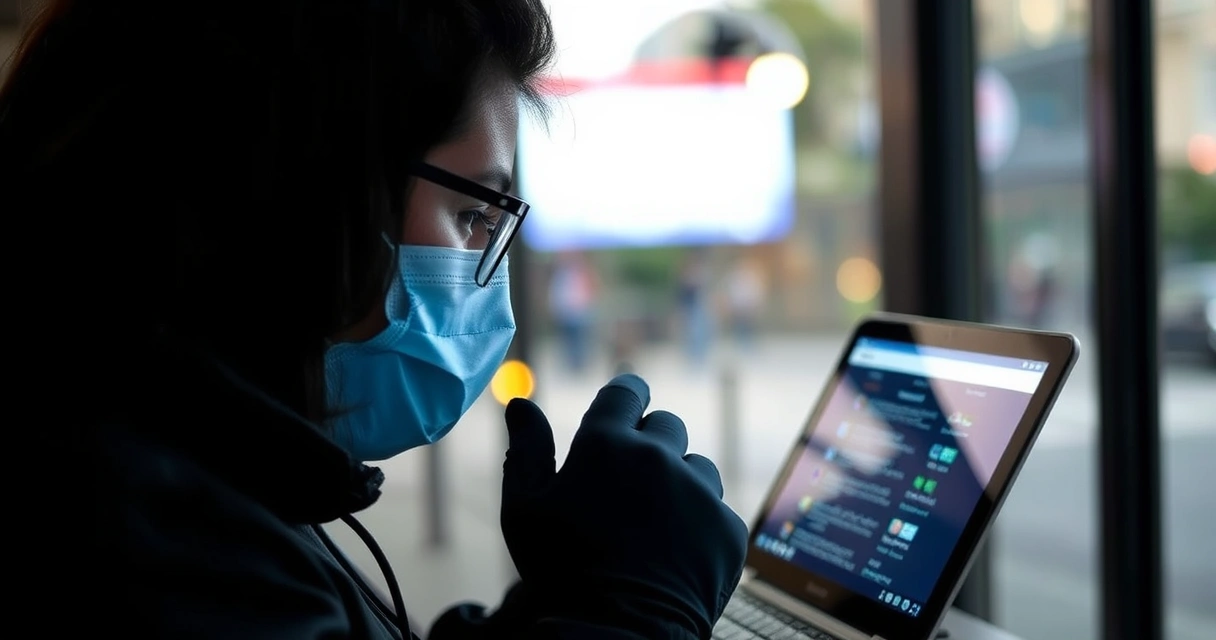
Cibercriminosos aproveitam Dia dos Namorados para aplicar golpes
Cibercriminosos aproveitam Dia dos Namorados para aplicar golpes is a growing reality each year as fraudsters intensify campaigns around major celebrations. The combination of increased online activity, emotional vulnerability and high e-commerce traffic creates an ideal environment for sophisticated scams. This article explains how these schemes operate, how to detect them, and the practical steps individuals and organizations should take to reduce risk.

Read on to learn specific prevention steps, best practices and common mistakes to avoid — and act now to protect your finances and privacy during seasonal peaks. Awareness and simple verification habits can stop most attackers before they succeed.
Benefits of understanding the threat
Understanding why Cibercriminosos aproveitam Dia dos Namorados para aplicar golpes delivers clear benefits for both individuals and businesses. Awareness turns passive users into active defenders, reducing victimization rates and financial loss.
- – Reduced financial risk – Knowing typical scam patterns prevents impulsive payments and account compromises.
- – Improved emotional safety – Recognizing manipulative behaviors lowers the psychological damage from romance scams and sextortion.
- – Stronger community resilience – Informed users report suspicious accounts more frequently, weakening criminal ecosystems on platforms.
How-to steps to detect and stop scams
Follow this step-by-step process to protect yourself when encountering potential romantic offers, promotions or unexpected messages related to Valentine events.
Step 1 – Pause and evaluate
- – Do not respond immediately to messages that pressure you or request urgent action.
- – Take a moment to verify the sender and message content before any engagement.
Step 2 – Verify identity
- – Request a live video call as a primary verification method; fraudsters typically avoid live interaction.
- – Use reverse image search (Google Images or TinEye) to check profile photos for signs of being stolen or AI-generated.
Step 3 – Keep conversations on the platform
- – Do not migrate to unknown messaging apps or private email unless you have verified the person thoroughly.
- – Platforms provide reporting tools and moderation – use them if you suspect a fake account.
Step 4 – Protect finances
- – Never send money to someone you have not met in person, regardless of their story about emergencies or travel.
- – Use payment methods with fraud protection and avoid wire transfers, gift cards and cryptocurrency transfers to unknown recipients.
Step 5 – Inspect links and promotions
- – Do not click suspicious links in Valentine promotions or social posts without checking the URL and the account sharing it.
- – Manually enter retailer addresses or use trusted apps for purchases; check official social channels for verified promotions.
Best practices to minimize exposure
Adopting a set of best practices significantly reduces the chance of falling victim when Cibercriminosos aproveitam Dia dos Namorados para aplicar golpes. These are practical, repeatable steps to protect personal and financial data.
- – Enable two-factor authentication (2FA) on all accounts that support it to prevent unauthorized access.
- – Harden privacy settings on social networks to limit who can see photos and personal information.
- – Use strong, unique passwords and a reputable password manager to prevent credential reuse across services.
- – Educate close contacts – inform family and friends about common romance scams; attackers often impersonate people you might trust.
- – Verify promotions with the merchant – if a social post claims a big Valentine discount, confirm via the retailer’s official site or verified account.
- – Report suspicious activity to the dating platform, social network and your bank immediately if finances or accounts are targeted.
Practical examples
- – Example 1: A Tinder match requests money for a one-way ticket and provides a sob story. Action – ask for a live video call and refuse any payment requests until identity is verified.
- – Example 2: A social post offers a “Valentine’s Day luxury box” at a very low price, linking to an unfamiliar domain. Action – do not click; search the brand website and look for site trustmarks and verified social accounts.
- – Example 3: A person on Instagram professes love after two messages and pushes to a private messaging app. Action – flag the profile and avoid private migration until verification steps are completed.
Common mistakes to avoid
When Cibercriminosos aproveitam Dia dos Namorados para aplicar golpes, victims often make predictable errors. Avoid these common mistakes to stay safe.
- – Trusting rapid declarations of love – Scammers use intense flattery to lower critical thinking. Be suspicious of overly emotional messages early in contact.
- – Moving conversations off-platform too quickly – Criminals ask to continue chats on unmoderated apps to evade detection.
- – Clicking on promotional links without checking – Phishing sites mimic legitimate stores to harvest credentials and payment details.
- – Sending money as proof of commitment – Requests for funds for travel, emergencies or investments are almost always scams when coming from new contacts.
- – Ignoring account signs – Newly created profiles with few followers, generic bios, and repeated profile images are red flags.
How criminals operationalize these mistakes
Attackers exploit emotional pressure, fake urgency and the anonymity of social platforms. According to security analyses, including investigations into dark web forums, organized groups coordinate large-scale campaigns around Valentine-related searches and promotions. They use stolen photos or AI-generated images, then push victims toward private channels and monetary extraction – sometimes escalating to sextortion if intimate content is involved.
Actionable incident response steps
If you suspect an attack or have already been targeted, act quickly and follow these steps:
- – Cease all communication with the suspected account immediately.
- – Document the conversation – take screenshots, save messages and note timestamps for reporting and potential law enforcement use.
- – Report the profile to the platform and request an account suspension.
- – Contact your bank if you shared payment details or transferred funds – request fraud monitoring and reversal attempts.
- – Change passwords and enable 2FA on compromised accounts, and audit other accounts for suspicious activity.
- – Consider law enforcement – file a report with local authorities or cybercrime units when financial loss or extortion occurs.
FAQ
1. How common is it that cibercriminosos aproveitam Dia dos Namorados para aplicar golpes?
Scams spike around holidays and retail events, and Valentine-related schemes are common in markets where the holiday is celebrated. Organized groups coordinate social media and dating app campaigns to exploit increased romantic searches and e-commerce activity. Awareness and simple verification steps prevent most attempts from succeeding.
2. What are the most frequent platforms used by attackers?
Attackers commonly use dating apps such as Tinder and Match, and mainstream social platforms like Instagram, Facebook, Snapchat and TikTok. They also leverage YouTube, Reddit and messaging apps to contact victims. Criminals prefer platforms where quick emotional connections form and where private channels are available.
3. How can I tell if a profile is fake?
Signs of a fake profile include newly created accounts, low follower counts, inconsistent or stock photos, refusal to do live video, poor grammar combined with intense declarations of love, and pressure to move conversations off-platform. Use reverse image search and check mutual connections as verification steps.
4. What should I do if I already sent money?
If you sent money, contact your bank or payment provider immediately to request reversals or fraud investigations. Save all communications and screenshots, report the fraud to the platform and local law enforcement, and change all relevant passwords. Time is critical for possible fund recovery.
5. Are promotional Valentine deals legitimate?
Some are legitimate, but fraudsters imitate promotions to harvest personal and payment data. Verify offers directly on the retailer’s official website, check for verified social media badges, and inspect URLs carefully. If a deal seems too good or the seller pressure is aggressive, treat it as suspicious.
6. How can businesses protect their customers and platforms?
Businesses should monitor for fake promotions using brand monitoring tools, enforce strict verification for advertisers, educate customers on official channels, and maintain responsive reporting and takedown processes. Transaction monitoring and strong checkout safeguards reduce fraud success rates.
7. What legal recourse exists if someone is extorted?
Depending on jurisdiction, victims can file reports with local police, cybercrime units and consumer protection agencies. Many countries have dedicated cybercrime-reporting portals. Retain all evidence and work with financial institutions to limit damage.
Conclusion
As the seasonal cycle repeats, Cibercriminosos aproveitam Dia dos Namorados para aplicar golpes remains a predictable but manageable threat. Key takeaways: verify identities with live video, never send money to unverified contacts, enable 2FA, and report suspicious accounts promptly. Simple verification habits and awareness neutralize most attacks.
Act now: review your privacy settings, update passwords, and share these prevention steps with friends and family. If you suspect fraud, document evidence and report it immediately to platforms, banks and authorities. Protect your heart – and your wallet – this Valentine period by adopting these practices today.
Original Source
Este artigo foi baseado em informações de: https://canaltech.com.br/seguranca/cibercriminosos-aproveitam-dia-dos-namorados-para-aplicar-golpes/