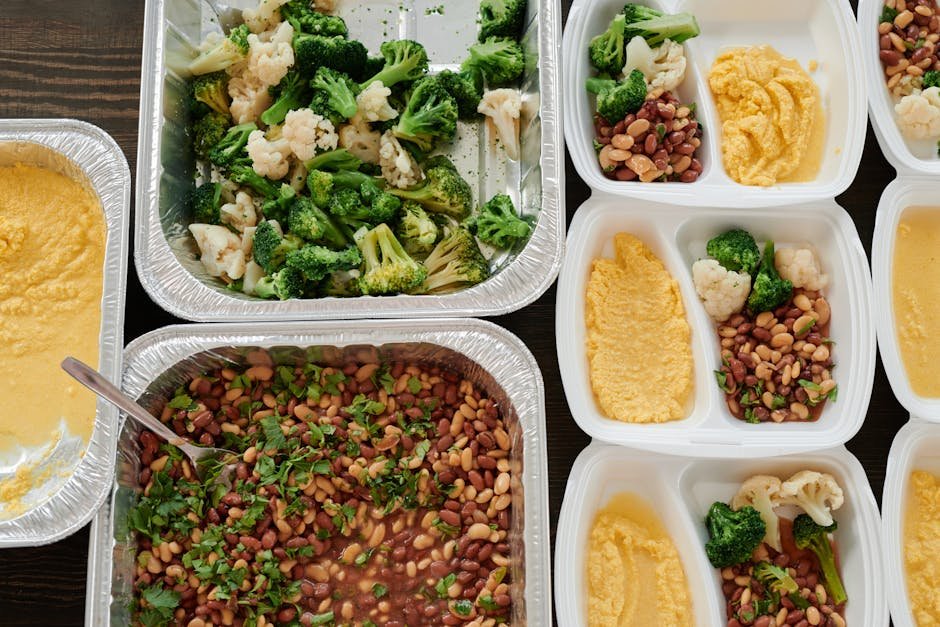
Bento Meal Prep Containers: Adulting Made Easier, One Compartment at a Time
The modern adult lifestyle demands efficiency. From juggling demanding careers and family obligations to squeezing in workouts and social engagements, time is a precious commodity. Meal prepping has emerged as a powerful tool for reclaiming control over diet and schedule, and at the heart of effective meal prepping lies the humble yet mighty bento box. Specifically designed for portion control, visual appeal, and convenient transport, bento meal prep containers for adults are more than just lunchboxes; they’re strategic tools for healthy eating and streamlined living.
Why Choose Bento? Unveiling the Benefits
The bento box’s compartmentalized design offers several distinct advantages over traditional single-compartment containers. These advantages contribute to both physical and mental well-being, making them a superior choice for adult meal prep:
-
Portion Control Perfected: Pre-defined compartments inherently encourage mindful portioning. This is crucial for weight management, regulating blood sugar levels, and preventing overeating. No more guesswork; each section provides a visual guide to portion sizes for different food groups.
-
Food Separation & Texture Preservation: Say goodbye to soggy salads and mixed-flavor chaos. The dividers ensure that different components of your meal – crunchy vegetables, juicy proteins, and delicate sauces – remain separate and retain their intended texture and flavor until lunchtime. This is particularly important for dishes with varying temperatures or consistencies.
-
Aesthetically Pleasing Meals: Presentation matters, even when you’re eating solo at your desk. The neat organization of a bento box transforms a simple meal into a visually appealing experience. Studies have shown that visually appealing food can enhance satisfaction and encourage healthier eating habits.
-
Reduced Food Waste: By carefully planning and packing your bento boxes, you’re less likely to overbuy groceries and more likely to use up leftovers creatively. This conscious approach to food consumption reduces waste and saves money in the long run.
-
Convenient and Portable: Bento boxes are designed for on-the-go lifestyles. Their compact size and secure closures make them easy to carry in a backpack, briefcase, or tote bag. This eliminates the need for multiple containers and keeps your meal contained, preventing spills and messes.
-
Dietary Diversity Encouraged: The compartmentalization encourages the inclusion of a variety of food groups in each meal. You’re more likely to pack a balanced meal with fruits, vegetables, proteins, and grains when you have dedicated spaces for each.
Material Matters: Navigating the Bento Box Landscape
The market offers a wide array of bento box materials, each with its own set of pros and cons:
-
Plastic (BPA-Free): A popular and affordable option. Look for BPA-free plastics to avoid harmful chemicals. Plastic bento boxes are generally lightweight and durable, but may stain or retain odors over time. Microwave and dishwasher safety varies depending on the type of plastic.
-
Stainless Steel: A durable and eco-friendly choice. Stainless steel is resistant to stains, odors, and scratches. It’s also a non-reactive material, meaning it won’t leach chemicals into your food. However, stainless steel bento boxes are typically heavier and more expensive than plastic options. They are generally not microwave-safe.
-
Glass: A safe and hygienic option. Glass is inert and won’t leach chemicals into food. It’s also easy to clean and resistant to stains and odors. However, glass bento boxes are heavier and more fragile than plastic or stainless steel. They are generally microwave-safe (check manufacturer’s instructions) but require careful handling.
-
Bamboo: A sustainable and aesthetically pleasing choice. Bamboo bento boxes are often combined with other materials like stainless steel or plastic for the interior compartments. While bamboo is biodegradable and renewable, it requires specific care to prevent cracking or warping.
Key Features to Consider: Beyond the Basics
Beyond the material, several features enhance the functionality and convenience of bento meal prep containers:
-
Leak-Proof Seals: Essential for preventing spills, especially when packing sauces or liquids. Look for bento boxes with tight-fitting lids and silicone or rubber gaskets.
-
Microwave and Dishwasher Safe: Convenience is key for busy adults. Ensure the bento box is microwave-safe if you plan to heat your meals. Dishwasher-safe containers simplify cleanup.
-
Compartment Size and Configuration: Consider your typical meal composition and choose a bento box with compartments that accommodate your portion sizes. Some bento boxes offer fixed compartments, while others have removable dividers for greater flexibility.
-
Number of Compartments: Determine how many separate food items you typically include in your meals. A simple two-compartment bento box might suffice for a basic lunch, while a more elaborate five-compartment bento box allows for greater variety.
-
Stackability: If you plan to prepare multiple bento boxes in advance, look for stackable designs to save space in your refrigerator.
-
Ventilation: Some bento boxes feature ventilation holes to release steam and prevent food from becoming soggy. This is particularly useful for packing warm or steaming foods.
-
Included Utensils: Some bento box sets include reusable utensils, such as chopsticks, forks, or spoons, which adds to their convenience.
-
Insulated Options: For maintaining food temperature, consider an insulated bento box. These containers are designed to keep cold foods cold and hot foods hot for longer periods.
Bento Box Meal Prep Ideas: Inspiration for Every Taste
The possibilities are endless when it comes to filling your bento box. Here are a few ideas to get you started:
-
Mediterranean Bento: Grilled chicken or falafel, quinoa or couscous, hummus, cucumber slices, cherry tomatoes, and olives.
-
Asian-Inspired Bento: Teriyaki salmon or tofu, brown rice, steamed broccoli, edamame, and a small container of soy sauce.
-
Italian Bento: Pasta salad with pesto, mozzarella balls, cherry tomatoes, basil leaves, and prosciutto.
-
Mexican Bento: Chicken or black bean tacos (pre-assembled or DIY), salsa, guacamole, shredded lettuce, and a side of brown rice.
-
Salad Bento: Mixed greens, grilled chicken or chickpeas, hard-boiled egg, avocado, shredded carrots, and a vinaigrette dressing.
-
Snack Bento: Greek yogurt with berries and granola, mixed nuts, hard-boiled egg, apple slices with peanut butter, and baby carrots with hummus.
Cleaning and Care: Maintaining Your Bento Box
Proper cleaning and care will extend the lifespan of your bento box and ensure its hygiene:
-
Wash Thoroughly After Each Use: Use warm soapy water to clean all compartments and lids.
-
Avoid Abrasive Cleaners: Abrasive cleaners can scratch or damage the surface of your bento box.
-
Dry Completely: Ensure all components are completely dry before storing to prevent mold or mildew growth.
-
Remove Stains and Odors: Baking soda paste can be used to remove stubborn stains and odors.
-
Store Properly: Store your bento box in a cool, dry place when not in use.
-
Follow Manufacturer’s Instructions: Always refer to the manufacturer’s instructions for specific cleaning and care recommendations.
By carefully selecting the right bento meal prep container and incorporating it into your routine, you can streamline your meal preparation, enhance your diet, and simplify your adult life. Embrace the compartmentalized convenience and discover the transformative power of the humble bento box.