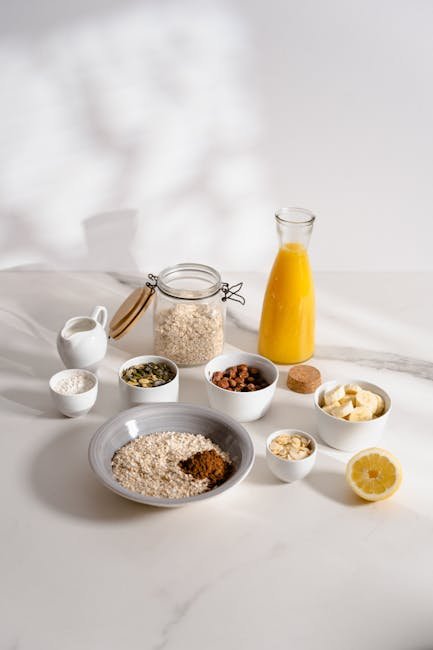
Weekend Meal Prep Plan for Full-Time Employees: Conquer the Week & Fuel Your Body
The demanding schedule of a full-time employee often leaves little time for thoughtful meal preparation during the week. Fast food, takeout, and processed snacks become all too tempting. However, consistent consumption of these options can negatively impact energy levels, productivity, and overall health. This comprehensive guide empowers full-time employees to reclaim their nutrition through strategic weekend meal preparation, transforming busy weeknights into opportunities for healthy, home-cooked meals.
Phase 1: Planning & Preparation (Saturday Morning/Afternoon)
The key to successful meal prepping lies in meticulous planning. Don’t dive headfirst into chopping vegetables without a clear strategy. This phase involves menu planning, grocery shopping, and setting up your workspace.
1.1 Menu Selection: Balance, Variety & Practicality
- Consider Your Dietary Needs: Are you following a specific diet (keto, vegetarian, vegan, gluten-free)? Factor these restrictions into your menu selections.
- Prioritize Balanced Meals: Each meal should ideally consist of a lean protein source, complex carbohydrates, and healthy fats.
- Choose Familiar Recipes: Don’t try to master complicated dishes when you’re short on time. Stick to recipes you know and enjoy. Explore simple variations on familiar favorites.
- Embrace One-Pot Wonders: Casseroles, soups, stews, and stir-fries are excellent for meal prepping as they minimize cooking and cleanup time.
- Factor in Leftovers: Plan to utilize leftovers for lunch or dinner later in the week. This saves time and reduces food waste.
- Consider Shelf Life: Be mindful of how long your prepared meals will last in the refrigerator. Prioritize recipes with ingredients that stay fresh longer.
- Incorporate Variety: Avoid monotonous meals. Aim for a diverse range of flavors and textures throughout the week.
Example Meal Prep Menu (5 Days):
- Breakfast: Overnight oats with berries and nuts (Monday-Friday)
- Lunch: Quinoa salad with grilled chicken, roasted vegetables, and lemon vinaigrette (Monday-Wednesday); Leftover dinner (Thursday-Friday)
- Dinner: Baked salmon with roasted asparagus and sweet potato (Monday); Chicken and vegetable stir-fry with brown rice (Tuesday); Turkey chili with cornbread (Wednesday); Sheet pan chicken fajitas with bell peppers and onions (Thursday); Vegetarian lentil soup with crusty bread (Friday)
1.2 Grocery Shopping: Efficiency is Key
- Create a Detailed Shopping List: Based on your menu, create a comprehensive shopping list, organized by grocery store sections (produce, protein, dairy, etc.).
- Check Your Pantry: Avoid buying duplicates by taking inventory of your existing staples.
- Shop Strategically: Visit stores during off-peak hours to avoid crowds.
- Consider Online Grocery Shopping: This can save significant time and effort. Many stores offer delivery or curbside pickup options.
- Focus on Fresh, Whole Ingredients: Prioritize fruits, vegetables, lean proteins, and whole grains.
- Don’t Forget Seasoning: Ensure you have all the necessary spices, herbs, and sauces to enhance the flavor of your meals.
1.3 Workspace Setup: Streamline Your Process
- Clear Counter Space: Designate a large, clean workspace for food preparation.
- Gather Essential Tools: Have all necessary knives, cutting boards, mixing bowls, measuring cups, and containers readily available.
- Sharpen Your Knives: Sharp knives are essential for efficient and safe food preparation.
- Prepare Cleaning Supplies: Keep dish soap, sponges, and paper towels within easy reach for quick cleanup.
- Put on Some Music or a Podcast: This can make the process more enjoyable.
Phase 2: Cooking & Assembly (Saturday Afternoon/Sunday)
This phase involves cooking the individual components of your meals and assembling them into portioned containers. Efficiency and organization are crucial for maximizing your time.
2.1 Batch Cooking: Optimize Your Oven & Stovetop
- Prioritize Ingredients with Longer Cooking Times: Start with items that require longer cooking times, such as roasting vegetables or baking proteins.
- Roast Vegetables Simultaneously: Prepare a large batch of roasted vegetables (broccoli, carrots, bell peppers, onions) that can be used in multiple meals.
- Cook Grains in Bulk: Prepare a large batch of quinoa, brown rice, or other grains to use throughout the week.
- Use the Oven Efficiently: Cook multiple dishes in the oven at the same time, adjusting cooking times as needed.
- Utilize Slow Cookers and Instant Pots: These appliances can be invaluable for preparing soups, stews, and braised meats with minimal effort.
2.2 Protein Preparation: Versatile & Efficient
- Grill or Bake Large Batches of Chicken or Fish: These proteins can be used in salads, stir-fries, and other dishes.
- Hard-Boil Eggs: Hard-boiled eggs are a quick and easy source of protein for breakfast or snacks.
- Cook Ground Meat in Bulk: Prepare a large batch of ground beef, turkey, or chicken and use it in chili, tacos, or pasta sauces.
- Consider Plant-Based Protein Sources: Tofu, lentils, beans, and chickpeas are excellent sources of protein for vegetarians and vegans.
2.3 Portioning & Storage: Maintain Freshness & Control Portions
- Cool Food Completely: Allow food to cool completely before portioning and storing it. This helps prevent bacterial growth.
- Use Airtight Containers: Invest in high-quality, airtight containers to keep food fresh and prevent leaks.
- Portion Meals Appropriately: Use measuring cups and spoons to ensure accurate portion sizes.
- Label Containers Clearly: Label each container with the name of the dish and the date it was prepared.
- Separate Wet and Dry Ingredients: If possible, store wet and dry ingredients separately to prevent sogginess. For example, store salad dressing separately from the salad ingredients.
- Store Food Properly in the Refrigerator: Maintain a refrigerator temperature of 40°F (4°C) or below.
2.4 Cleanup as You Go: Minimize Sunday Evening Stress
- Wash Dishes Immediately: Don’t let dishes pile up. Wash them as you go to minimize cleanup time at the end of your meal prep session.
- Wipe Down Surfaces Regularly: Keep your workspace clean by wiping down surfaces after each task.
- Empty the Trash Regularly: Keep the trash can from overflowing to avoid creating a mess.
Phase 3: Maintenance & Optimization (Throughout the Week)
The final phase ensures your meal prep efforts translate into a consistently healthy and convenient week.
3.1 Reheating & Serving: Quick & Easy
- Microwave-Safe Containers: Use microwave-safe containers for easy reheating.
- Reheat Food Thoroughly: Ensure food is heated to a safe internal temperature before consuming.
- Add Fresh Garnishes: Enhance the flavor and appearance of your meals with fresh herbs, spices, or sauces.
3.2 Inventory Management: Track Your Progress
- Keep Track of What You’ve Eaten: This helps you plan for future meal prep sessions.
- Discard Spoiled Food: Don’t hesitate to discard food that has spoiled.
3.3 Recipe Refinement: Continuous Improvement
- Make Notes on What Worked Well: Note which recipes you enjoyed and which ones were easiest to prepare.
- Experiment with New Recipes: Don’t be afraid to try new recipes to add variety to your meal prep routine.
- Adjust Portion Sizes as Needed: Adjust portion sizes based on your individual needs and preferences.
- Seek Feedback from Others: Ask your family or friends for feedback on your meal prep creations.
By diligently following this comprehensive weekend meal prep plan, full-time employees can conquer their busy week, nourish their bodies, and reclaim valuable time and energy. The consistent effort will yield significant rewards in terms of improved health, increased productivity, and reduced stress. Remember to adapt the plan to your individual needs and preferences, and to enjoy the process!