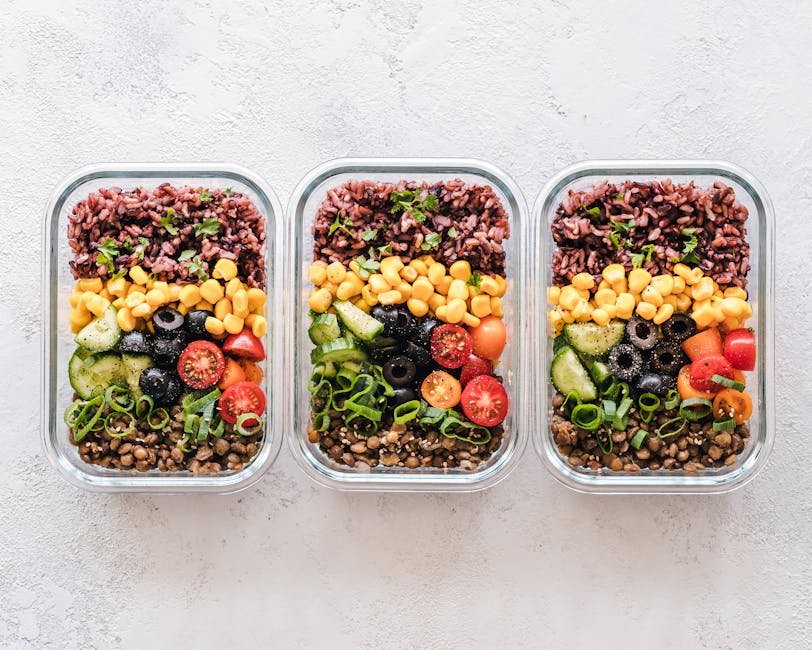
The Ultimate Guide to Leak-Proof Lunch Containers for Work Meal Prep: Keep Your Food Fresh and Mess-Free
Choosing the right lunch container is crucial for successful and enjoyable meal prepping. A leak-proof container protects your food from spills, keeps it fresh, and prevents embarrassing messes in your bag. This comprehensive guide delves into the best leak-proof lunch container options for work meal prep, considering materials, features, and cleaning requirements.
Understanding Leak-Proof Technology: What Makes a Container Truly Leak-Proof?
The term “leak-proof” is often misused. A truly leak-proof container relies on a combination of factors:
- High-Quality Materials: The container body (plastic, glass, or stainless steel) must be durable and free from imperfections that could weaken its integrity.
- Airtight Seal: The lid’s design is paramount. Look for lids with silicone gaskets, rubber seals, or airtight locking mechanisms that create a complete barrier against air and liquids.
- Secure Locking System: Simple snap-on lids are rarely leak-proof. Containers with clips, latches, or screw-top lids provide a more secure closure, applying pressure to the seal.
- Pressure Release Valves (Optional): Some containers, especially those designed for microwaving, feature pressure release valves. These allow steam to escape, preventing pressure buildup that could compromise the seal. While convenient, ensure the valve is also designed to prevent leaks when closed.
Material Matters: Comparing Plastic, Glass, and Stainless Steel
The material of your lunch container significantly impacts its durability, safety, and suitability for different foods:
- Plastic:
- Pros: Lightweight, affordable, and available in various shapes and sizes. Many plastic containers are microwave and dishwasher safe.
- Cons: Some plastics can leach chemicals (especially when heated), stain, and retain odors. Look for BPA-free and food-grade plastics like polypropylene (PP).
- Leak-Proof Considerations: The quality of the plastic and the lid design are critical. Thicker, more rigid plastics generally hold up better. Choose containers with robust locking mechanisms and silicone gaskets.
- Glass:
- Pros: Non-reactive (won’t leach chemicals), easy to clean, and doesn’t retain odors or stains. Glass containers are often oven, microwave, and dishwasher safe.
- Cons: Heavier than plastic and more susceptible to breakage. Glass containers can also be more expensive.
- Leak-Proof Considerations: Tempered glass is more durable and resistant to shattering. The lid design is crucial; look for lids that create a tight seal against the glass rim, using silicone gaskets and secure clips.
- Stainless Steel:
- Pros: Durable, rust-resistant, and non-reactive. Stainless steel containers are a sustainable and long-lasting option.
- Cons: Cannot be used in the microwave. Stainless steel can be more expensive than plastic.
- Leak-Proof Considerations: Stainless steel containers often rely on silicone gaskets and secure locking mechanisms for leak-proof performance. Double-walled stainless steel containers offer insulation, keeping food hot or cold for longer.
Popular Leak-Proof Lunch Container Brands and Models:
Navigating the market can be overwhelming. Here are some highly-rated leak-proof lunch container brands and specific models known for their reliability:
- Rubbermaid Brilliance: These plastic containers feature crystal-clear Tritan plastic, airtight seals, and secure latches. They are stain-resistant and microwave-safe.
- OXO Good Grips POP Containers: While primarily designed for pantry storage, the smaller sizes are excellent for individual lunch portions. Their airtight push-button seal ensures leak-proof performance.
- Ello Duraglass: Offers glass containers with silicone sleeves for added protection. Their lids feature secure latches and airtight seals.
- Wean Green: Known for their durable glass containers with clip-lock lids and removable silicone gaskets for easy cleaning.
- LunchBots: Offers stainless steel containers with well-designed lids. Some models feature silicone seals for enhanced leak-proof performance. (Note: Not all LunchBots models are leak-proof; check specific product details).
- PlanetBox: Offers compartmentalized stainless steel lunch boxes. While not strictly leak-proof for liquids, they are excellent at preventing wet foods from mixing.
- Bentgo Boxes: Offer both plastic and stainless steel options with compartments. Their lids create a tight seal to separate compartments, but avoid placing liquids into the compartments.
- Monbento: Popular for their stylish and compartmentalized bento-style lunch boxes. Their airtight lids and sealing valves provide excellent leak protection.
Factors to Consider When Choosing a Leak-Proof Lunch Container:
Before making a purchase, consider these factors:
- Portion Size: Choose containers that accommodate your typical meal sizes. Consider purchasing a variety of sizes for different types of meals.
- Compartments: If you prefer to keep different food items separate, look for containers with compartments. This prevents soggy salads or mixed flavors.
- Microwave and Dishwasher Safety: Check the manufacturer’s instructions to ensure the container is safe for microwave reheating and dishwasher cleaning. Some materials may warp or degrade with high temperatures.
- Stackability: If you plan to store multiple containers, choose stackable options to save space in your refrigerator or pantry.
- Durability: Consider the container’s construction and materials. A more durable container will withstand daily use and last longer.
- Ease of Cleaning: Opt for containers with removable gaskets and simple designs for easy cleaning.
- Cost: Set a budget and compare prices across different brands and models.
Tips for Preventing Leaks:
Even with a high-quality leak-proof container, improper use can lead to spills. Follow these tips:
- Properly Close the Lid: Ensure the lid is securely attached and all latches or clips are properly engaged.
- Avoid Overfilling: Leave some space at the top of the container to prevent pressure buildup.
- Store Upright: Whenever possible, store your lunch container upright to minimize the risk of leaks.
- Check for Wear and Tear: Inspect the lid, seals, and gaskets regularly for any signs of damage or wear. Replace worn parts as needed.
- Avoid Extreme Temperatures: Sudden temperature changes can affect the seal. Allow hot foods to cool slightly before sealing.
- Test Before Use: Before trusting a new container with a liquid meal, test it with water to ensure it is truly leak-proof.
Cleaning and Maintenance for Longevity:
Proper cleaning and maintenance will extend the lifespan of your leak-proof lunch containers:
- Wash After Each Use: Wash the container and lid thoroughly with warm soapy water.
- Remove and Clean Gaskets: Remove the silicone gaskets from the lid and wash them separately. This helps prevent mold and mildew buildup.
- Air Dry Completely: Ensure all parts are completely dry before storing the container.
- Avoid Abrasive Cleaners: Use gentle cleaning products to avoid damaging the container or the seals.
- Store Properly: Store containers with the lids off or slightly ajar to allow for ventilation.
By carefully selecting a leak-proof lunch container that meets your needs and following proper usage and maintenance tips, you can enjoy mess-free and delicious meals at work while supporting a healthy and organized meal prep routine.